
Removing unwanted trees can significantly enhance both the aesthetic and functional aspects of a landscape. While trees are often cherished for their shade, beauty, and environmental benefits, there are situations where their presence can hinder the overall design and usability of a property. When strategically removed, certain trees can help open up breathtaking views, increase sunlight exposure, and allow for a more cohesive and visually appealing landscape design. This process requires thoughtful planning and a clear understanding of which trees are adding value and which ones are detracting from the property’s potential. One of the most compelling reasons to remove unwanted trees is to open up scenic views that are otherwise blocked. Whether it is a picturesque mountain range, a serene lake, or a beautifully designed backyard garden, these views can drastically increase the visual appeal of a property. Homeowners often find that eliminating a few overgrown or poorly placed trees can reveal vistas that were previously hidden, adding a sense of openness and tranquility to the space.
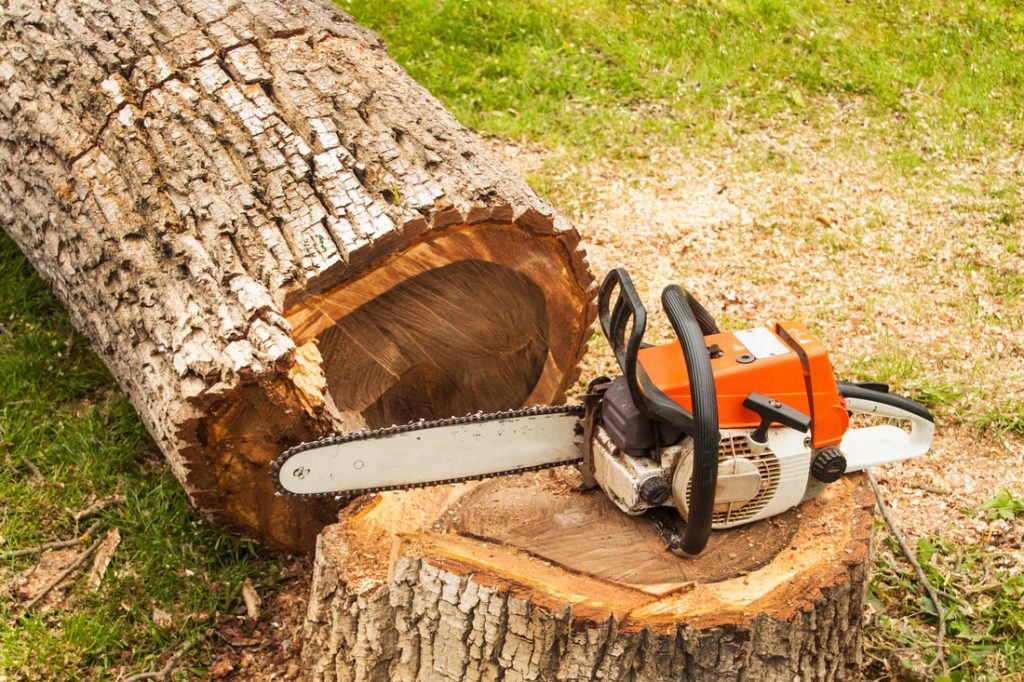
In many cases, simply removing a tree or two near windows or outdoor seating areas can dramatically enhance the experience of the space, creating a seamless connection between the indoors and outdoors. Another advantage of removing unwanted trees is the improvement in landscape design flexibility. Large, unmanaged trees can dominate a space and limit possibilities for planting beds, patios, walkways, and other landscape features. By clearing out trees that are not contributing positively to the design, homeowners and landscapers gain the freedom to reimagine the space in creative ways. Tree Removal Long Island could involve creating layered gardens, expanding lawn areas, or designing focal points such as sculptures or water features that were not feasible before due to obstruction or shade. Additionally, selective tree removal can allow for better placement of outdoor lighting and irrigation systems, enhancing the overall functionality of the landscape. Sunlight is another key element that is often improved through tree removal.
In areas where trees cast dense shade, lawns may struggle to grow, and flower beds may fail to thrive. Removing certain trees can allow for more balanced sun exposure, improving plant health and encouraging more vibrant, lush growth. Increased sunlight can also help dry out overly damp areas of a yard, reducing the risk of mold, mildew, and pest infestations. Moreover, homes can become more energy-efficient by allowing natural sunlight to enter through windows, reducing the need for artificial lighting and heating during cooler months. Of course, not every tree should be removed, and the decision must be made carefully. Trees that are healthy, well-placed, and add to the character of the landscape should be preserved whenever possible. Consulting with a certified arborist or professional landscaper can help in identifying which trees are beneficial and which are liabilities. Factors such as tree health, proximity to structures, root system impact, and long-term growth patterns should all be considered. When done thoughtfully, it can bring out the true potential of a property, making it more beautiful, functional, and enjoyable for years to come.