The Evolution of Consumer Technology: How Innovation Shapes Our Future
The global tech landscape has undergone rapid transformation over the past few decades. Leading companies, such as Samsung, have played a critical role in this evolution, continually pushing the boundaries of innovation and redefining consumer expectations. As the technology sector continues to grow, the driving force behind this evolution remains rooted in advancements in consumer electronics, from smartphones to smart homes. These innovations not only alter the way people interact with technology but also impact their daily lives in ways previously thought unimaginable.
The Rise of Smart Devices
In the past decade, the introduction of smart devices has revolutionized how consumers interact with technology. From smartphones to wearable tech and home assistants, these products have become integral to modern life. One of the most significant transformations has been in the area of connectivity. The Internet of Things (IoT) has made it possible for everyday objects, such as refrigerators, thermostats, and even light bulbs, to connect to the internet and communicate with each other. This shift has led to the creation of “smart homes,” where everything from your thermostat to your security system can be controlled from a single device, usually a smartphone.
The Smart Home Revolution
The concept of a smart home is not new, but it has gained significant momentum in recent years, driven by innovations in connectivity and automation. At the core of this shift is the ability to control home appliances remotely, often through voice commands or mobile apps. Popular brands have capitalized on this trend, offering smart speakers, security cameras, and other devices that work seamlessly together. These products not only enhance convenience but also provide greater control over energy efficiency, security, and comfort.
The Role of Artificial Intelligence
Artificial intelligence (AI) has become a key enabler of smart home technology. AI-powered devices, such as voice assistants like Amazon Alexa and Google Assistant, have made it easier for users to interact with their environments. These devices learn user preferences over time, enabling them to provide more personalized experiences. For instance, AI can optimize heating and cooling systems based on daily habits, or adjust lighting according to the time of day. The integration of AI in consumer technology is not limited to home appliances; it is also being used in a range of other devices, including cars, health trackers, and even wearables.
Mobile Technology: The Heart of Consumer Electronics
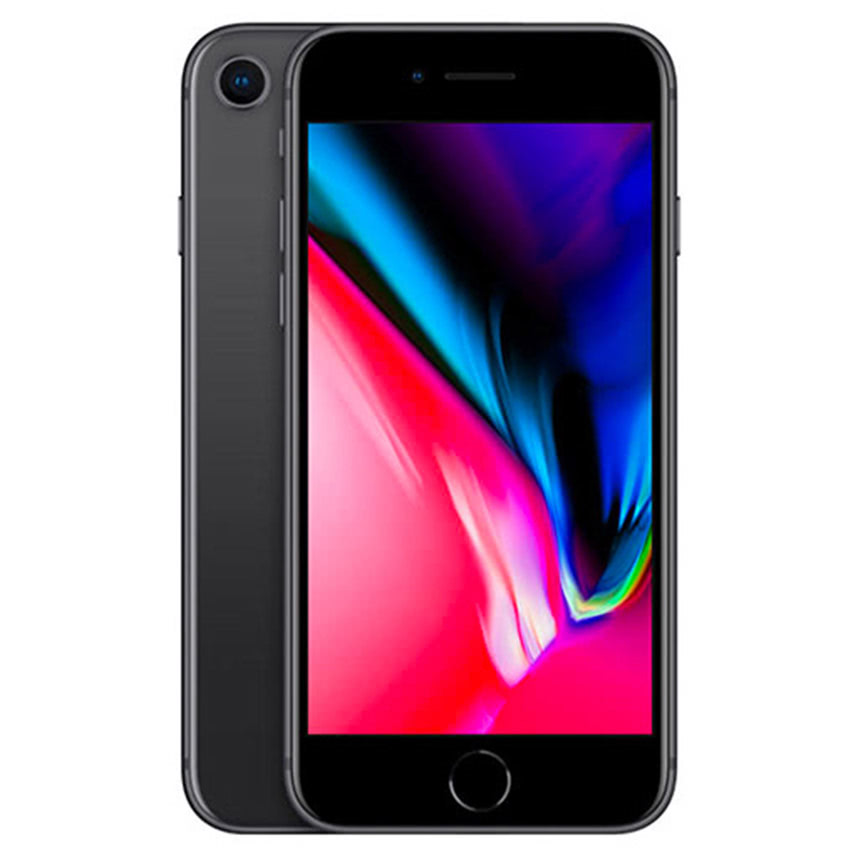
Smartphones have arguably been the most impactful innovation in consumer technology in recent years. The mobile phone has evolved from a simple communication tool into a multifunctional device that serves as a camera, gaming console, shopping platform, and much more. The proliferation of smartphones has had a profound impact on industries ranging from retail to entertainment. It is no longer just about making calls or sending messages; smartphones are now essential tools for productivity, leisure, and social connection.
The Shift Toward 5G
One of the most anticipated advancements in mobile technology is the rollout of 5G networks. The introduction of 5G promises to usher in a new era of connectivity, with faster speeds, lower latency, and the ability to connect more devices simultaneously. This advancement is expected to accelerate the development of other technologies, such as autonomous vehicles, augmented reality (AR), and virtual reality (VR), all of which require fast, reliable internet connections. The shift to 5G is not only a technical achievement but also a strategic move by tech companies to maintain their competitive edge in a rapidly evolving market.
Foldable Smartphones: The Next Frontier
In recent years, the smartphone industry has witnessed a significant shift towards foldable devices. These phones, which can be folded in half to offer both a compact form factor and a larger display when opened, are poised to change the way we use mobile devices. Foldable smartphones combine the convenience of a traditional smartphone with the versatility of a tablet, offering users a larger screen for media consumption, productivity, and gaming. The technology behind foldable screens is still in its early stages, but it is expected to improve significantly in the coming years, offering even more innovative features.
Wearable Technology: Blurring the Lines Between Fashion and Function
Wearable technology has grown exponentially in popularity, with products like smartwatches and fitness trackers becoming everyday accessories for many consumers. These devices are designed to seamlessly integrate into daily life, providing users with real-time information about their health, activity, and even their location. Wearable tech has become particularly prominent in the fitness and wellness space, with devices that track steps, monitor heart rate, and even measure sleep patterns. These gadgets not only help users stay on top of their fitness goals but also contribute to overall health and well-being.
The Future of Smartwatches
Smartwatches have evolved significantly since their introduction, with many now offering a host of features that go beyond basic timekeeping. For instance, modern smartwatches can track fitness metrics, monitor heart rate, send notifications, and even make phone calls. Some models even allow users to make payments directly from their watch, offering an added layer of convenience. As the technology behind these devices continues to improve, it is expected that future smartwatches will offer even more advanced features, such as health monitoring capabilities and enhanced connectivity with other devices.
Fitness Trackers and Health Monitoring
Fitness trackers have become a staple for people looking to monitor their physical activity and overall health. These devices typically include features such as step counters, heart rate monitors, and calorie trackers. However, as technology advances, fitness trackers are becoming more sophisticated, with some devices now offering advanced metrics like blood oxygen levels, ECG readings, and even stress monitoring. These innovations are helping users take a more proactive approach to their health, enabling them to detect potential issues before they become serious problems.
The Role of Sustainability in Consumer Technology
As the demand for consumer technology continues to grow, so too does the pressure on companies to ensure their products are environmentally sustainable. The tech industry is one of the largest contributors to electronic waste, with millions of devices being discarded each year. In response, many companies are now focusing on creating products that are more eco-friendly, using recycled materials and designing devices that are easier to repair and recycle. Additionally, energy-efficient technologies are becoming more prevalent, with many new devices designed to consume less power and reduce their overall environmental impact.
Eco-Friendly Materials and Recycling Programs
One of the key ways companies are addressing sustainability in consumer technology is through the use of eco-friendly materials. Manufacturers are increasingly turning to recycled plastics, metals, and other materials to build their devices, reducing the need for raw materials and lowering the carbon footprint of production. In addition to using sustainable materials, many companies are implementing recycling programs that allow customers to return their old devices for proper disposal or repurposing. These initiatives are helping to reduce the environmental impact of electronic waste and contribute to a more sustainable tech ecosystem.
Energy Efficiency in Consumer Electronics
As consumers become more conscious of their environmental impact, there has been a growing demand for energy-efficient products. The tech industry has responded by creating devices that consume less power while still delivering high performance. For example, energy-efficient smartphones, laptops, and televisions are now commonplace, with many devices designed to automatically adjust their power consumption based on usage patterns. These innovations not only help reduce the environmental footprint of consumer electronics but also help users save on energy costs over time.
The Future of Consumer Technology
As technology continues to evolve, the future of consumer electronics looks increasingly exciting. From advancements in AI and connectivity to the continued development of wearable devices and smart homes, the possibilities are endless. The next decade is likely to bring even more transformative innovations, including breakthroughs in areas like quantum computing, augmented reality, and autonomous systems. While it is impossible to predict exactly what the future holds, one thing is certain: consumer technology will continue to shape the way we live, work, and interact with the world around us.
The Impact of Emerging Technologies
Emerging technologies such as quantum computing and blockchain are expected to have a significant impact on the consumer technology landscape. Quantum computing, which leverages the principles of quantum mechanics to perform complex calculations at unprecedented speeds, could unlock new possibilities in fields ranging from medicine to finance. Similarly, blockchain technology has the potential to revolutionize areas like online security and data management, offering more secure, decentralized solutions for managing digital transactions.
The Role of Augmented and Virtual Reality
Augmented reality (AR) and virtual reality (VR) have already begun to transform various industries, from gaming to education and healthcare. As these technologies continue to evolve, they will become even more integrated into everyday life. AR, for example, could be used to enhance shopping experiences by allowing consumers to virtually try on clothing or see how furniture would look in their homes before making a purchase. VR, on the other hand, has the potential to create entirely new forms of entertainment and communication, allowing users to immerse themselves in virtual worlds and interact with others in ways that were previously impossible.
The future of consumer technology is not just about innovation for the sake of innovation, but about improving the quality of life for users while being mindful of the environment. As companies continue to push the boundaries of what is possible, it is important to remember that technology’s ultimate goal should be to enhance human experiences, making life easier, more enjoyable, and more sustainable for everyone.